

Lead Flashing Repair
Apron, step flashing, and counter-flashing renewed.
Learn More
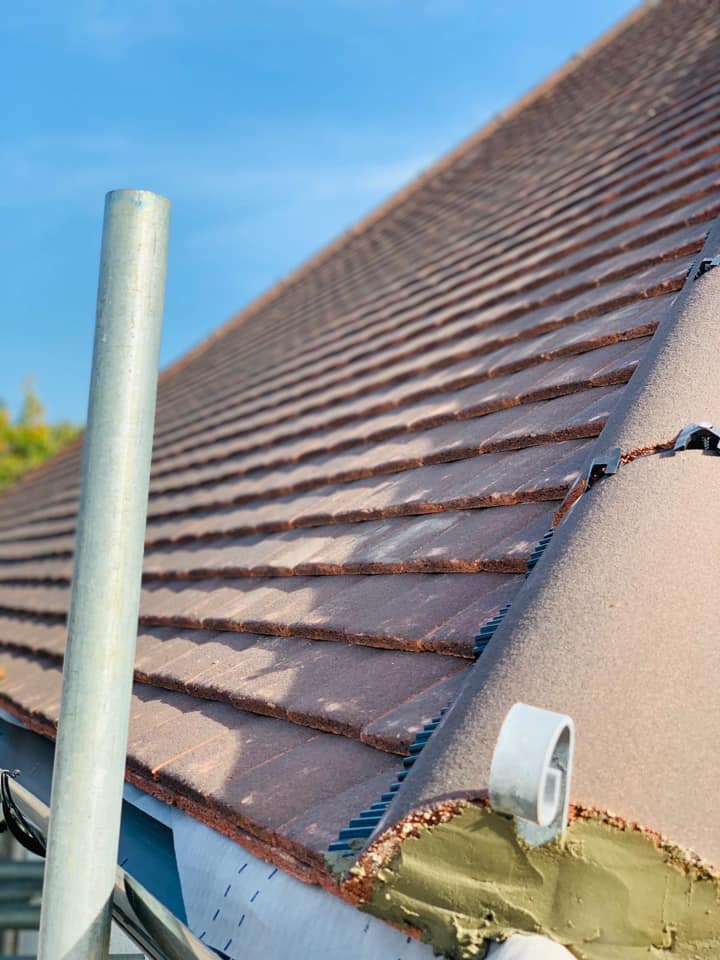
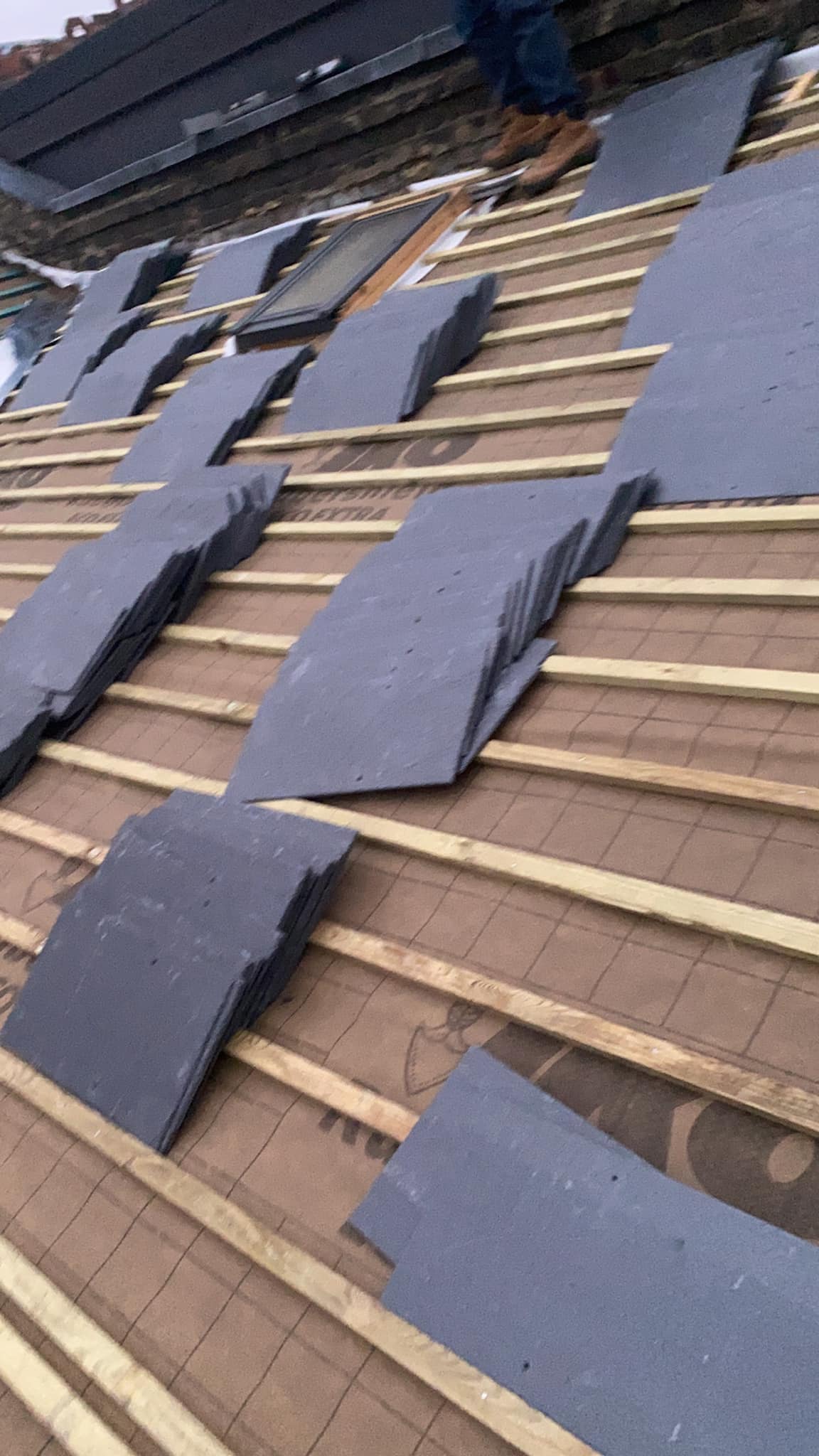
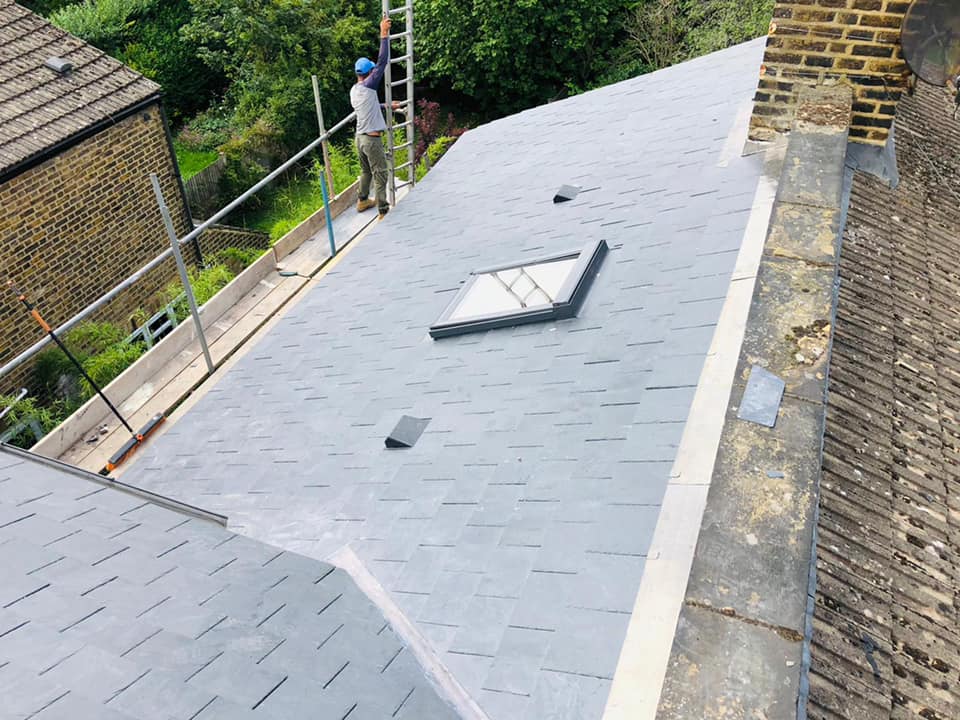

The junction between chimney and roof is the most common site of water ingress in London properties. Our flashing specialists install and repair every chimney flashing configuration, using lead, codeflash, and modern sealants to achieve permanent weatherproofing
Fill in your details - we'll get back to you within 1 hour.
Chimney flashing represents one of the most critical details in roofing. The junction between a chimney stack and the surrounding roof membrane faces constant exposure to weather, thermal movement, and potential movement in both the chimney and roof structure. When flashing fails, water penetrates immediately, causing damage to ceilings, walls, and structural timbers that often costs far more to repair than the original flashing work would have required.
KS Roof Master specialises in chimney flashing repair and installation across Greater London. Our lead-working craftsmen understand traditional techniques for period properties while also specifying and installing modern flashing systems where appropriate. Whether you need simple repairs to existing leadwork or complete flashing replacement on a Victorian property, we deliver solutions that prevent water ingress permanently.
London properties present particular challenges for chimney flashing. Victorian and Edwardian chimneys on terraces in areas like Clapham, Dulwich, and Highgate often have complex geometries, wide chimney stacks, and original details that conservation requirements must respect. Modern properties may use different construction techniques requiring alternative flashing approaches. We assess each situation individually and specify appropriate solutions.
Lead remains the traditional material of choice for chimney flashing, valued for its durability, malleability, and appropriateness for heritage buildings. Code 4 lead suits vertical flashing details where thinner material is acceptable. Code 6 lead provides robust performance for saddles and horizontal surfaces. Our leadwork follows Lead Sheet Association guidelines, ensuring correct specification, detailing, and fixing for lasting performance.
Chimney flashing failures manifest in various ways, each requiring specific remediation:
Lead expands in heat and contracts in cold, with significant movement over daily and seasonal cycles. Traditional fixing with iron nails causes problems as rust expands and splits the lead. We use copper or stainless steel clips that allow movement while maintaining secure fixing. For longer runs, we install expansion joints that absorb movement without cracking or tearing.
Original flashing on older properties often provides insufficient coverage, with lead not extending far enough up the chimney or across the roof. We replace inadequate flashing with properly dimensioned leadwork, ensuring minimum upstand heights and adequate overlap with roof coverings to prevent wind-driven rain from bypassing the flashing.
The mortar joint where flashing embeds into brickwork deteriorates over time, creating gaps that water penetrates. We rake out failed mortar and recede new mortar, creating a proper chase that holds flashing securely while maintaining a weatherproof seal. For conservation properties, we use traditional lime mortar appropriate for the building type.
Wide chimneys on low-pitched roofs or those positioned on the slope weather side require saddles to divert water around the stack. Without a saddle, water pools behind the chimney and inevitably penetrates the abutment flashing. We install Code 6 lead saddles with welded corners, counter-flashed into the brickwork above the roof line.
Individual lead soakers at each tile course where the roof meets the chimney are vulnerable to corrosion and displacement. We replace individual soakers or the complete soaker course, ensuring each piece is properly dressed into the tile profile and stepped behind the adjacent flashing.
Severe weather dislodges flashing sections, tears edges, and damages fixings. Our emergency response team secures exposed areas temporarily and completes permanent repairs quickly, preventing water damage while full remediation is arranged. We document damage for insurance purposes where applicable.
Quality flashing work provides lasting protection when executed correctly:
We specify appropriate lead codes for each application: Code 4 for vertical upstands and flashings, Code 5 for general use, Code 6 for saddles and horizontal surfaces. Correct code selection ensures durability without waste from over-thick material. All leadwork follows Lead Sheet Association guidelines for lifespan and performance.
Modern fixing techniques allow lead to move thermally without fatigue. Stainless steel clips, copper nails, and expansion joints at regular intervals prevent the cracking and splitting that occurs with traditional iron nail fixing. These details cost little but extend leadwork lifespan substantially.
Industry standards specify minimum flashing upstand heights above roof surfaces. We ensure all flashing extends at least 75mm above the surrounding roof, with additional height on flat roofs and exposed locations. Adequate upstand prevents wind-driven rain from overtopping flashing and causing penetrations.
Flashing embedded in brickwork must be held securely while allowing for differential movement. We create proper chases using appropriate tools, install leadwork correctly within the chase, and seal with flexible mortar that accommodates movement without cracking. This detail prevents the separation that causes most flashing failures.
Where saddles are required, we fabricate Code 6 lead saddles with welded corners, not folded seams that could leak. Saddles are counter-flashed into the chimney brickwork above the roof line, creating a continuous weatherproof system that diverts water around the chimney while remaining hidden from view.
For listed buildings and properties in conservation areas, we use traditional leadwork techniques that satisfy conservation officer requirements. We understand what details planners expect and can advise on appropriate specifications that maintain heritage character while providing lasting performance.
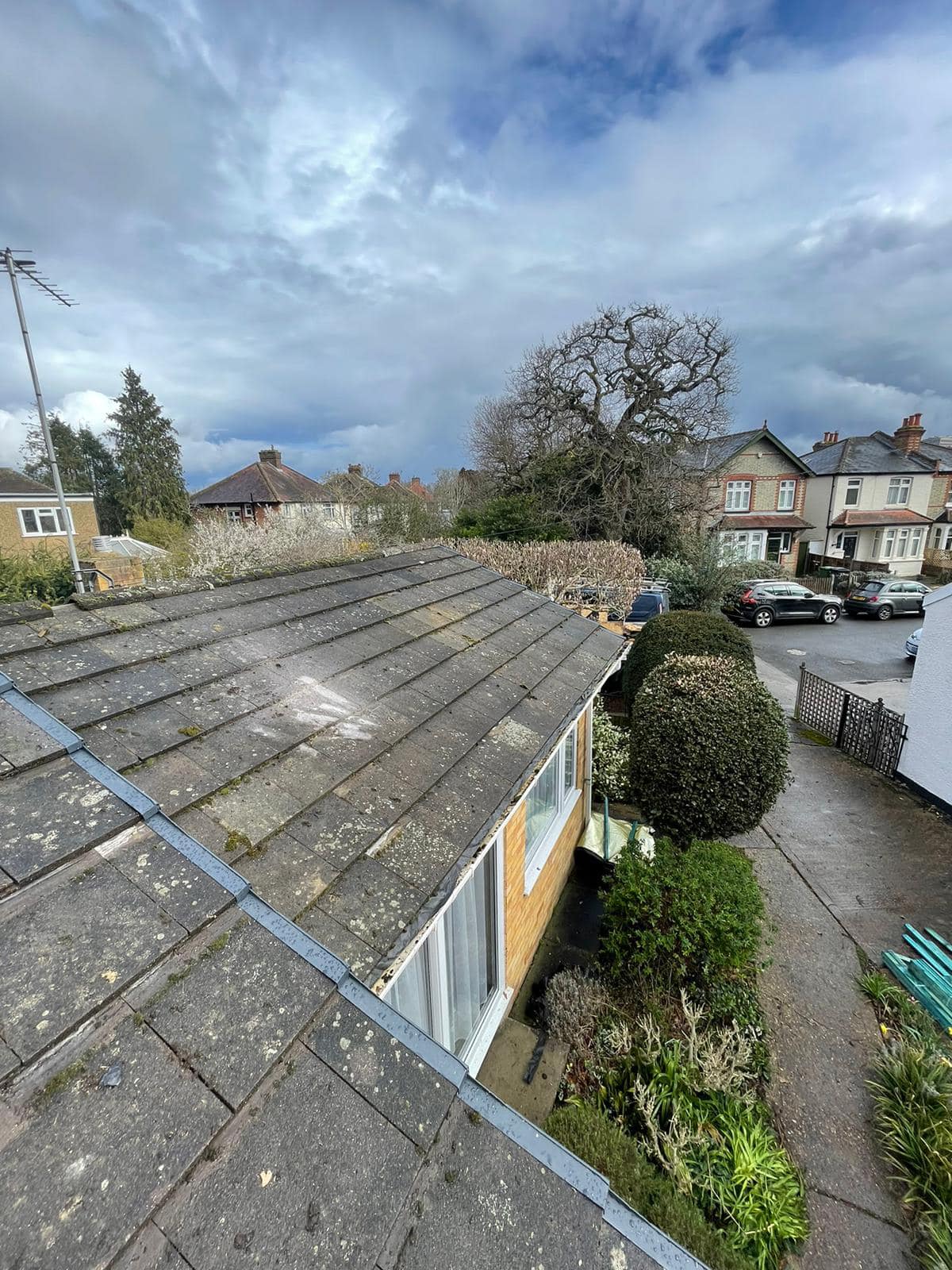
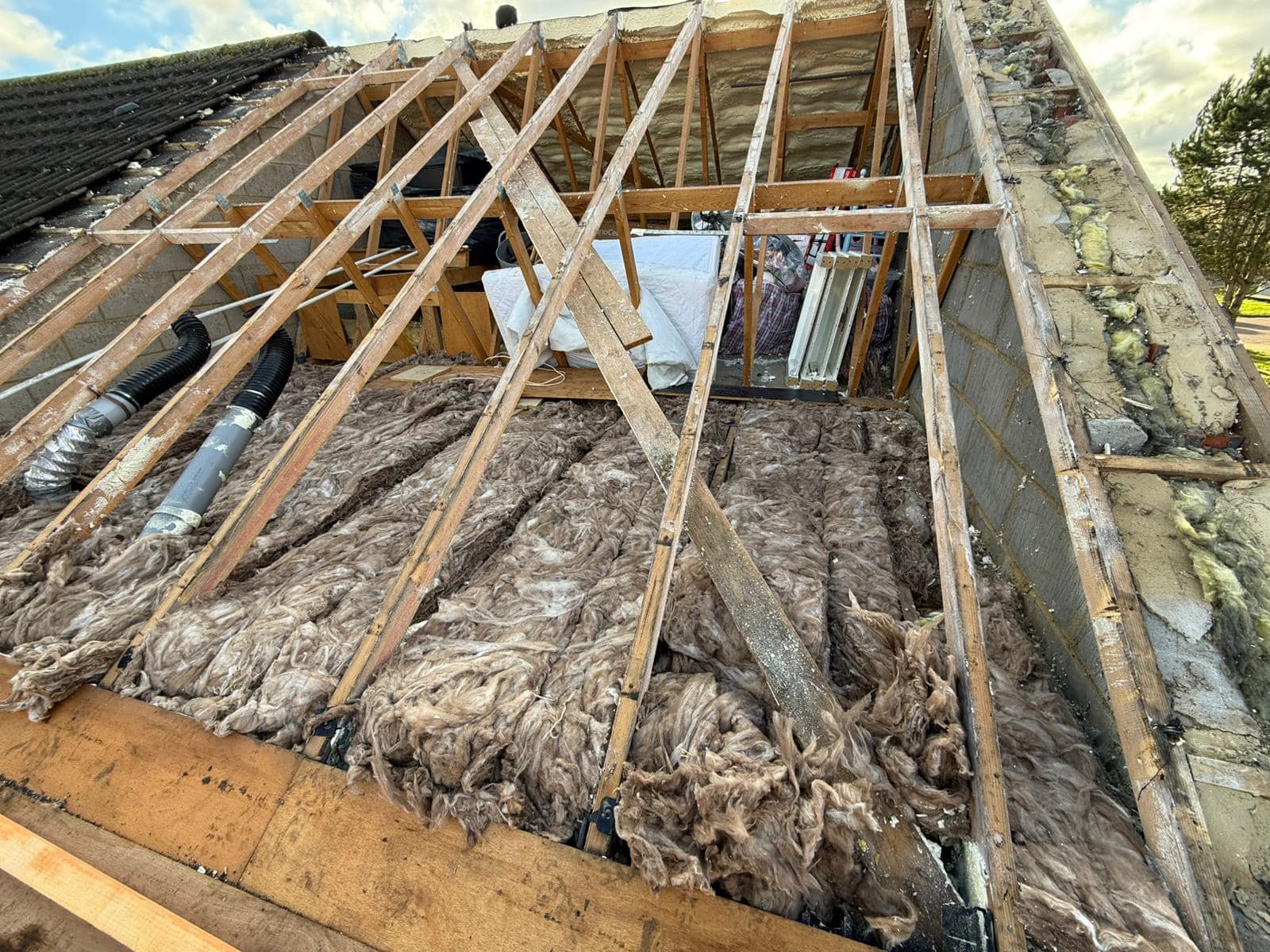
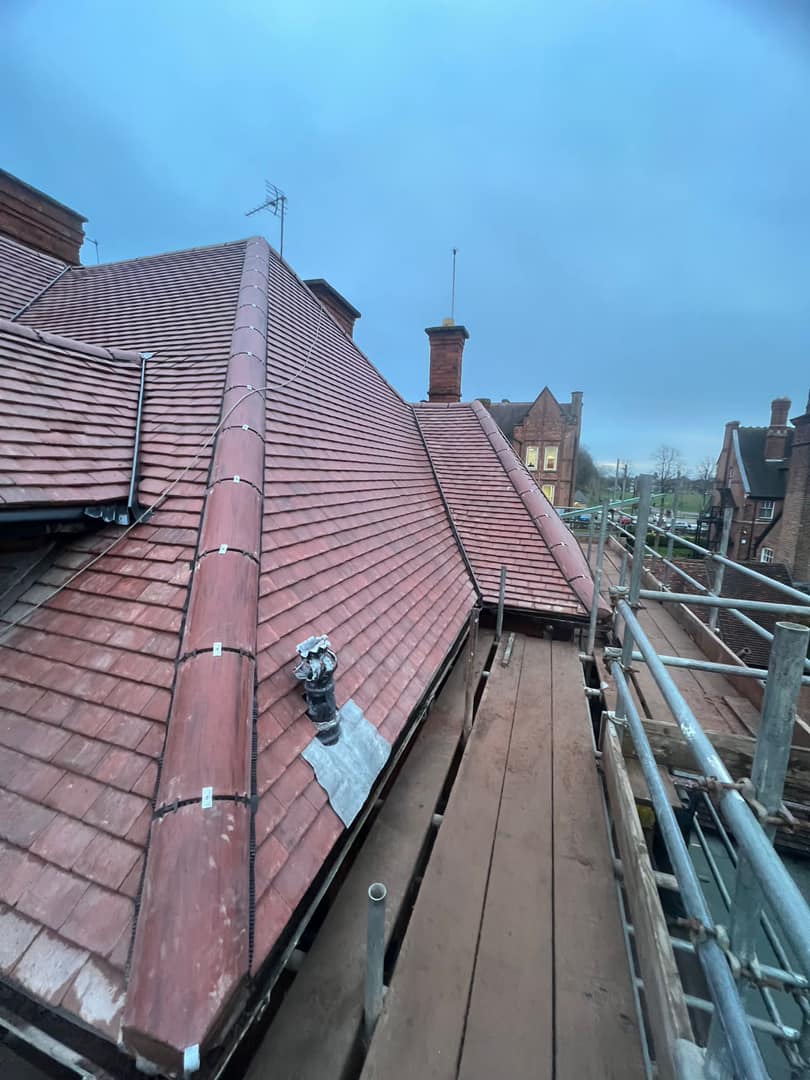
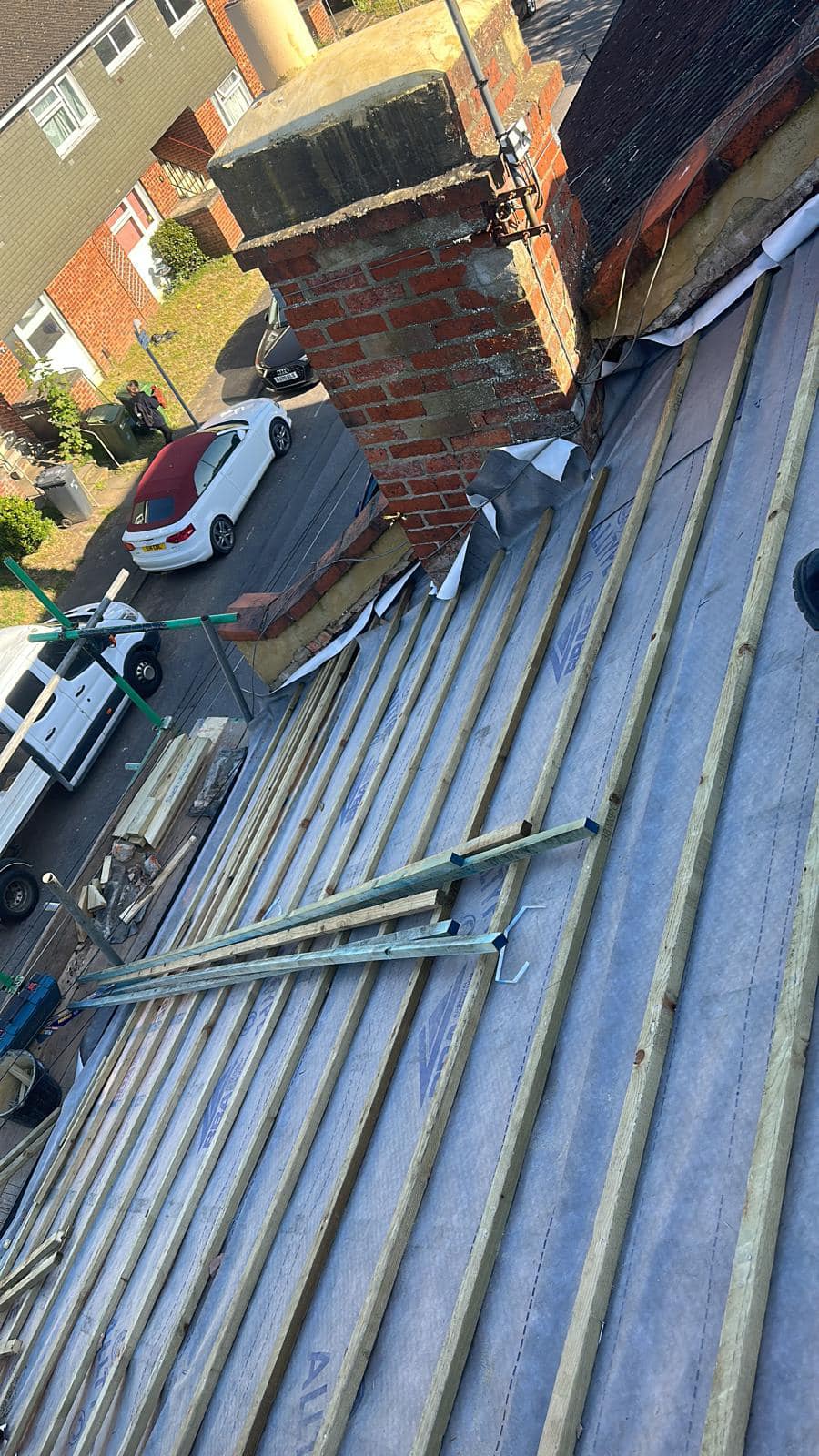
Completed flashing repairs on period and contemporary properties.


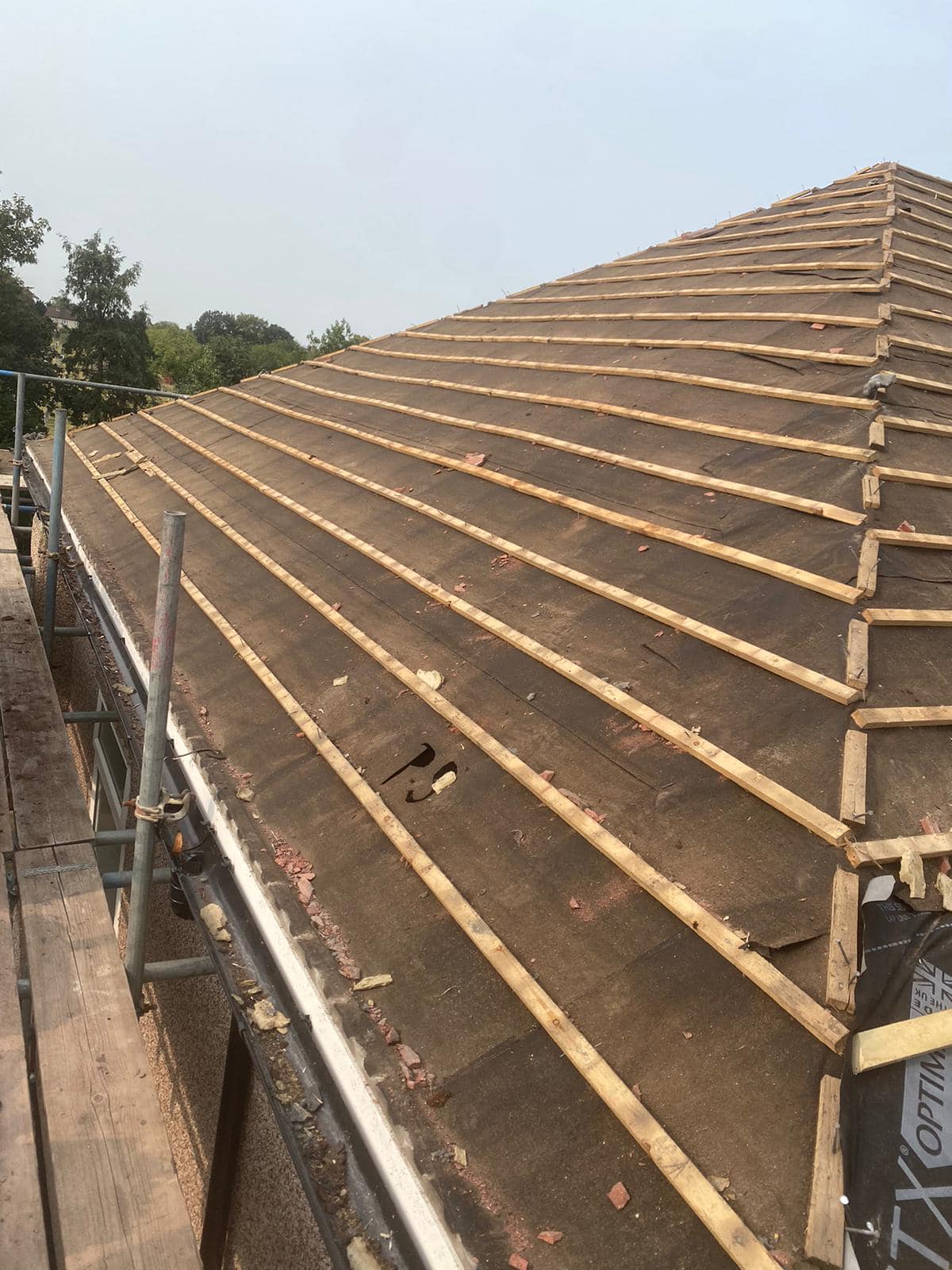


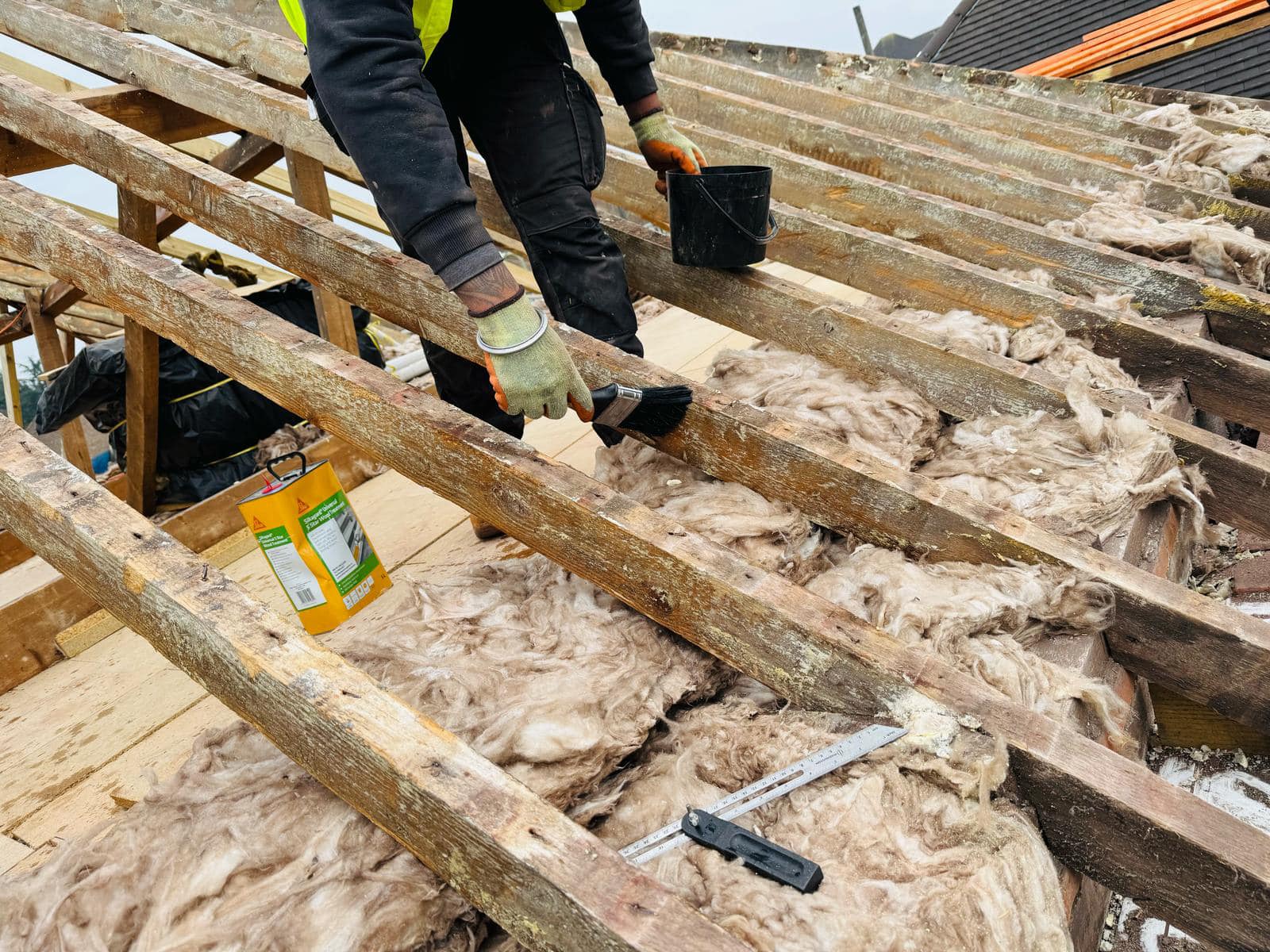

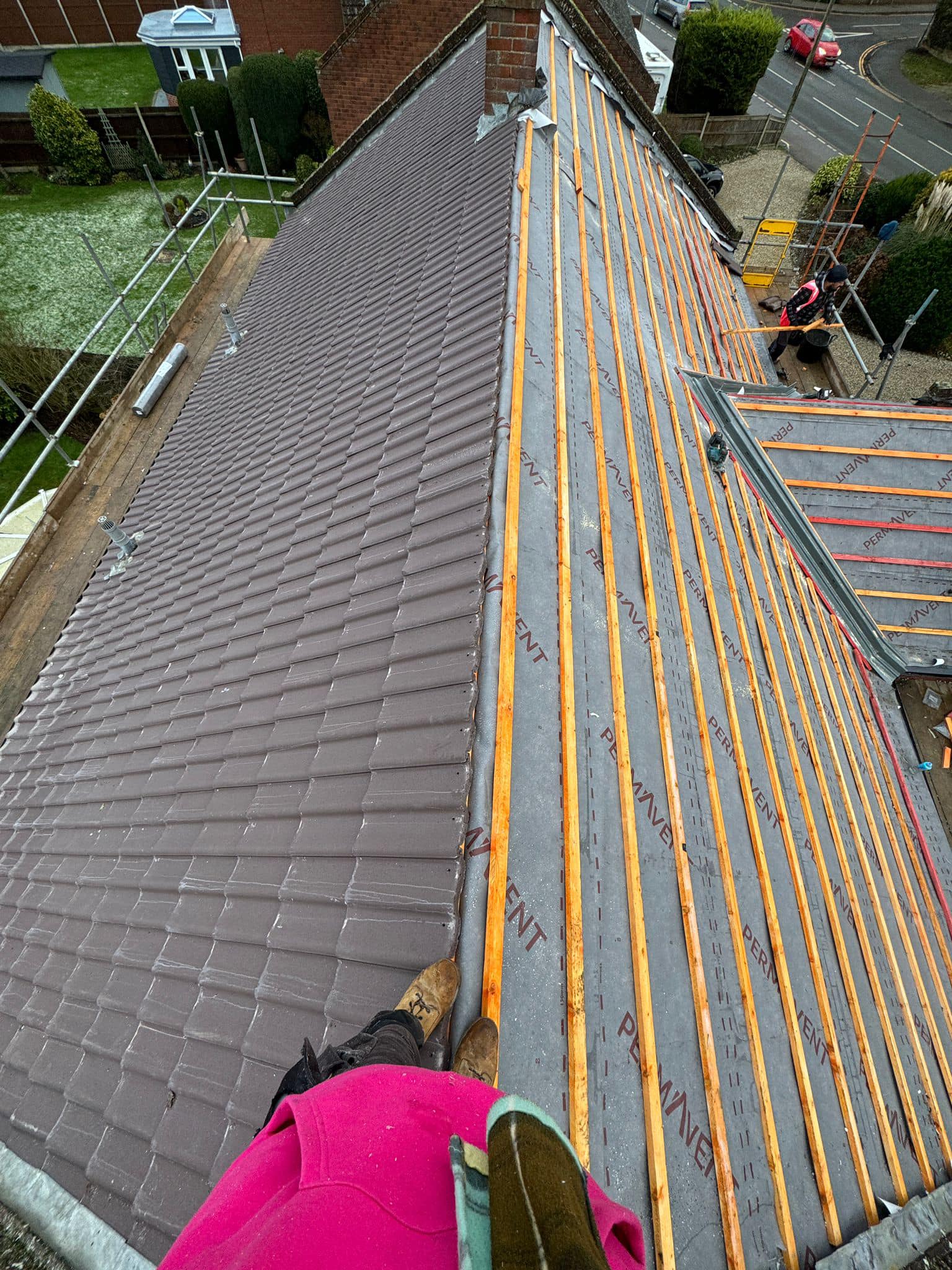
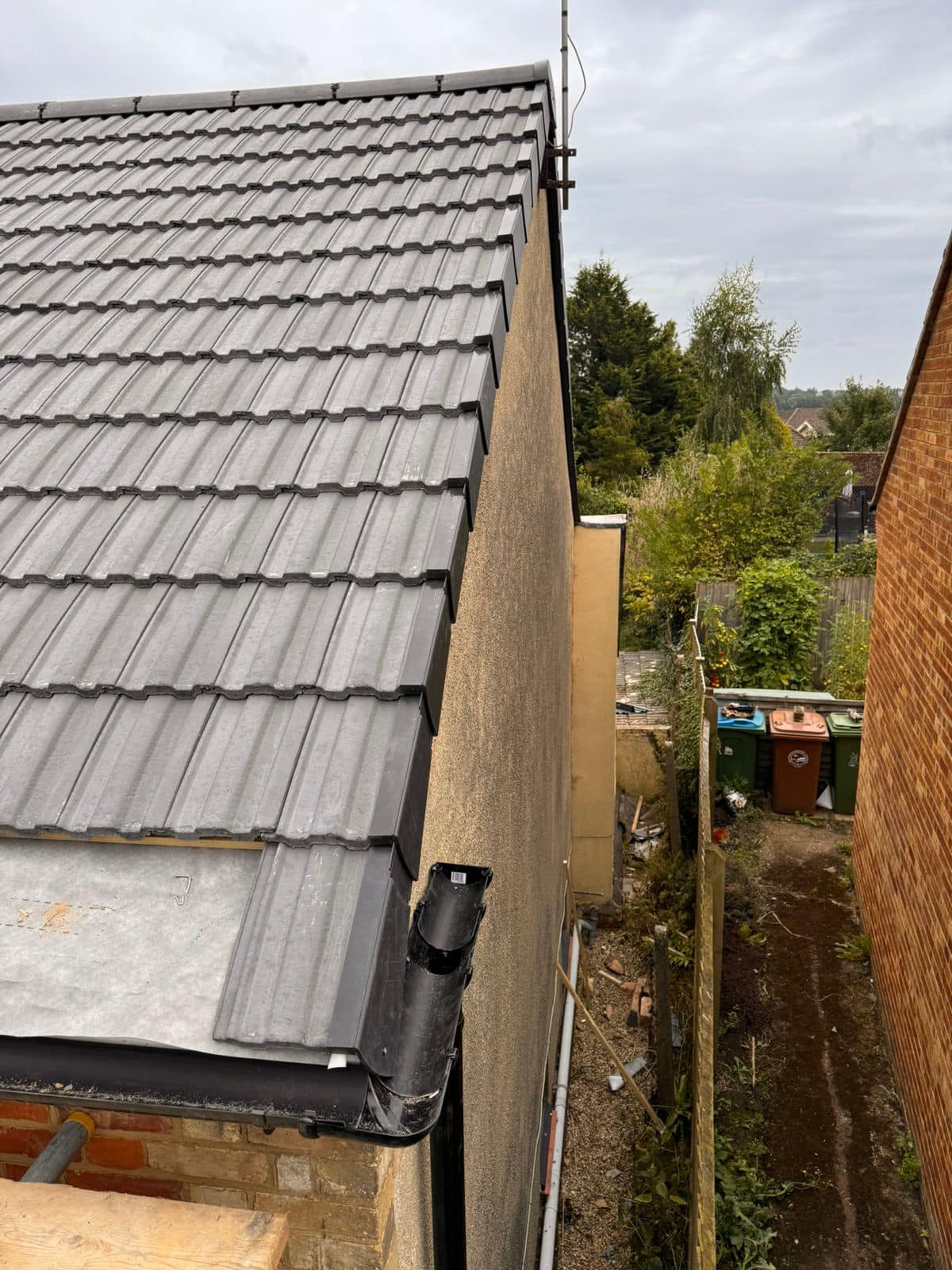

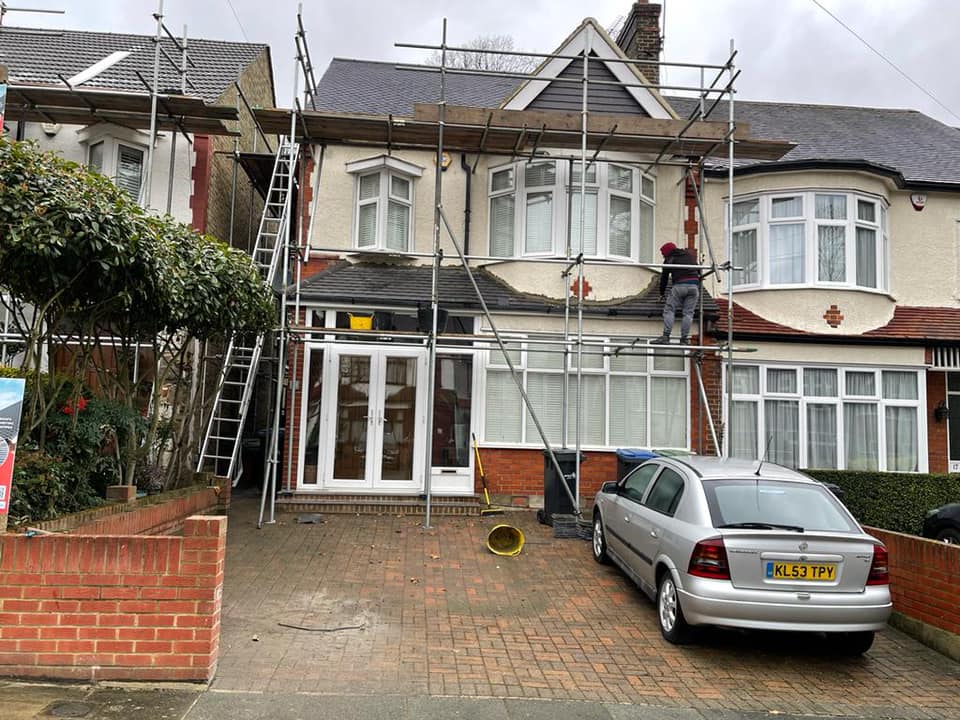
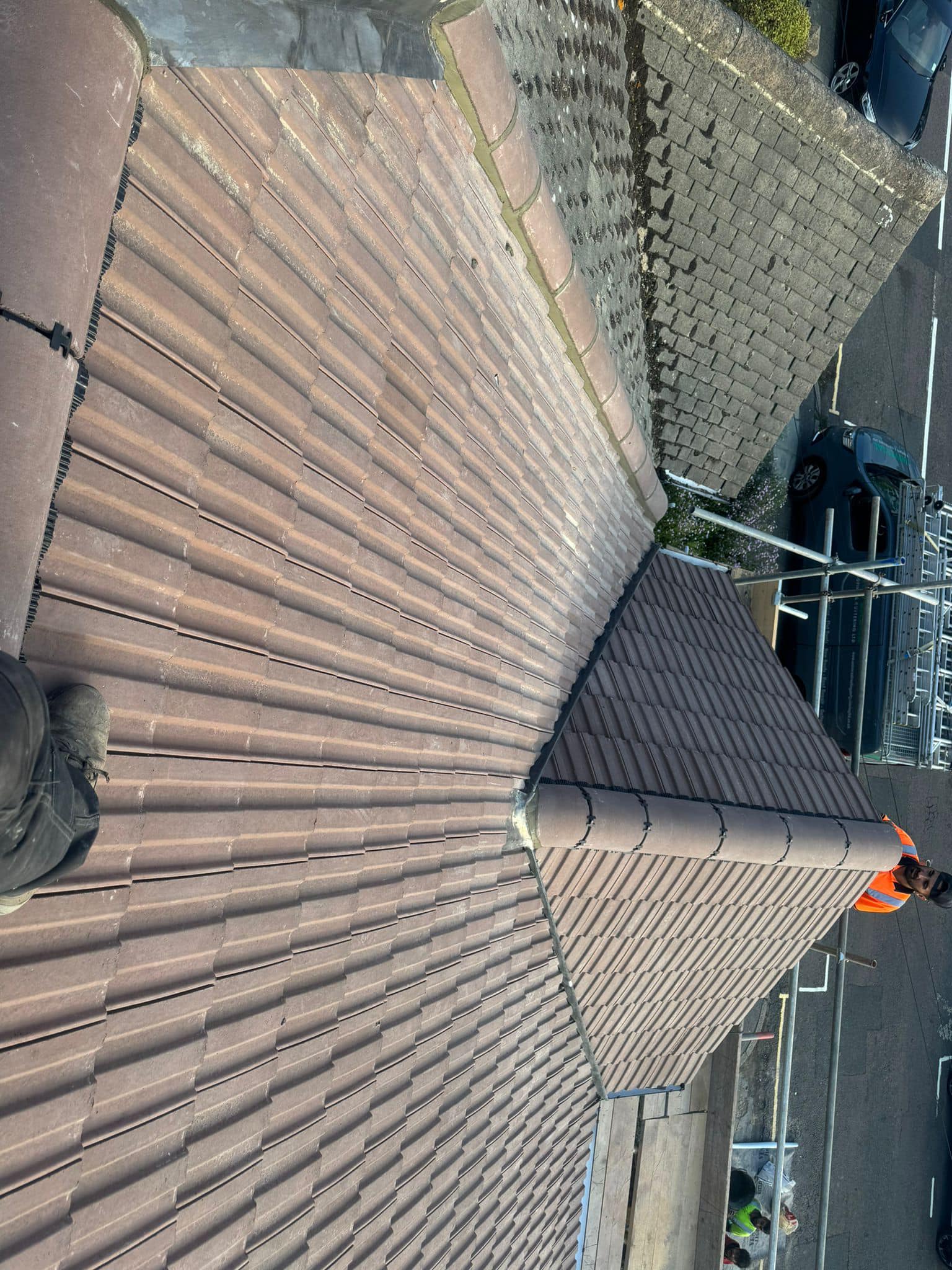


Expert installation, heritage compliance, lasting repairs.
Trusted roofing expertise across London since 2004.
Complete insurance coverage for your peace of mind.
Rapid response times across all London boroughs.
We guarantee quality workmanship on every project.
Only premium, industry-leading roofing materials used.
Lead, codeflash, and saddle installation for every chimney.
Apron, step flashing, and counter-flashing renewed.
Learn MoreCode 6 welded saddle to divert water away from abutment.
Learn MoreSelf-adhesive membrane flashing for modern applications.
Learn MoreChase-and-seal method for conservation properties.
Learn MoreTile-and-lead soakers renewed at each course.
Learn MoreFull chimney flashing replacement for ageing systems.
Learn MoreThorough diagnosis, appropriate repair, quality materials.
Schedule your free roof inspection online or by phone.
Our certified roofers thoroughly inspect your roof.
Receive a detailed, no-obligation quote and we get to work.
Chimney flashing repair across all London boroughs.
We serve all London boroughs within 24 hours.
"KS Roof Master did an outstanding job repairing our roof after storm damage. Fast response, fair pricing, and excellent workmanship."
"We had a leaking flat roof that other companies couldn't fix. KS Roof Master diagnosed the issue quickly and the repair has been perfect."
"Professional from start to finish. The free inspection was thorough and the quote was transparent with no hidden costs."
Rapid assessment and temporary protection while repairs are planned.
Transparent pricing for common flashing repair scenarios.
| Service | Starting Price |
|---|---|
| Chimney Flashing Inspection | FREE |
| Lead Flashing Repair | £280-£450 |
| Chimney Saddle (Code 6) | £380-£500 |
| Codeflash Repair | £220-£320 |
| Soaker Replacement (per course) | £25 |
| Complete Overhaul | £600-£900 |
* Final costs depend on chimney size, access complexity, and material specification.
We assess flashing condition and provide transparent repair quotes.
Technical guidance on flashing materials and installation.
Expert flashing that protects your property for decades.